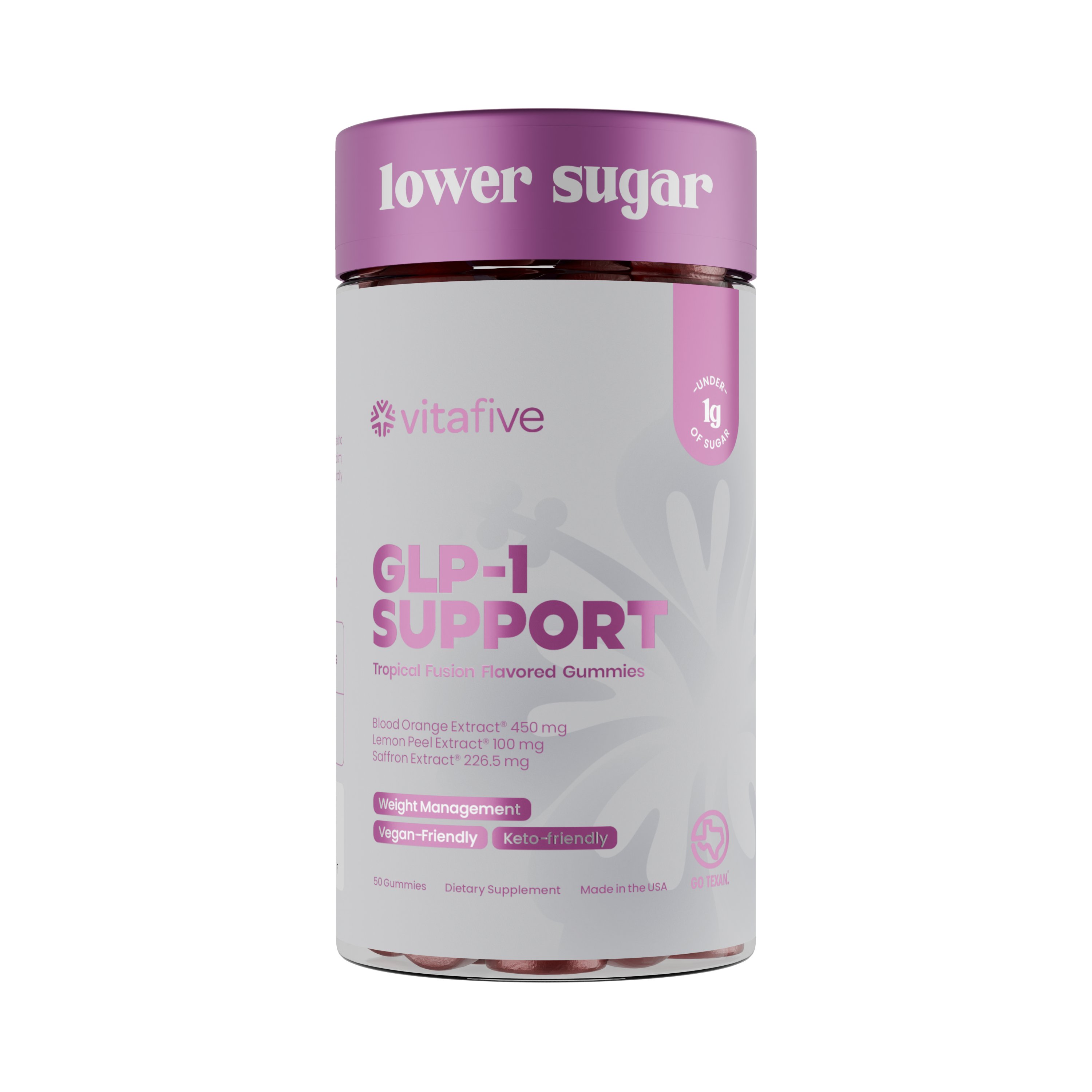
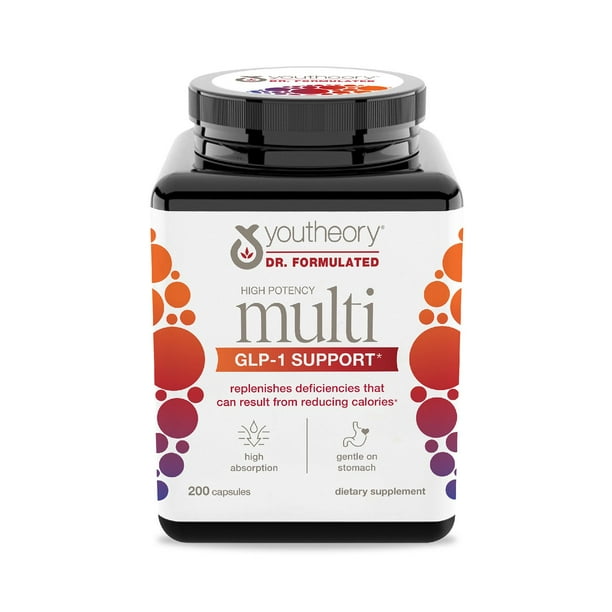
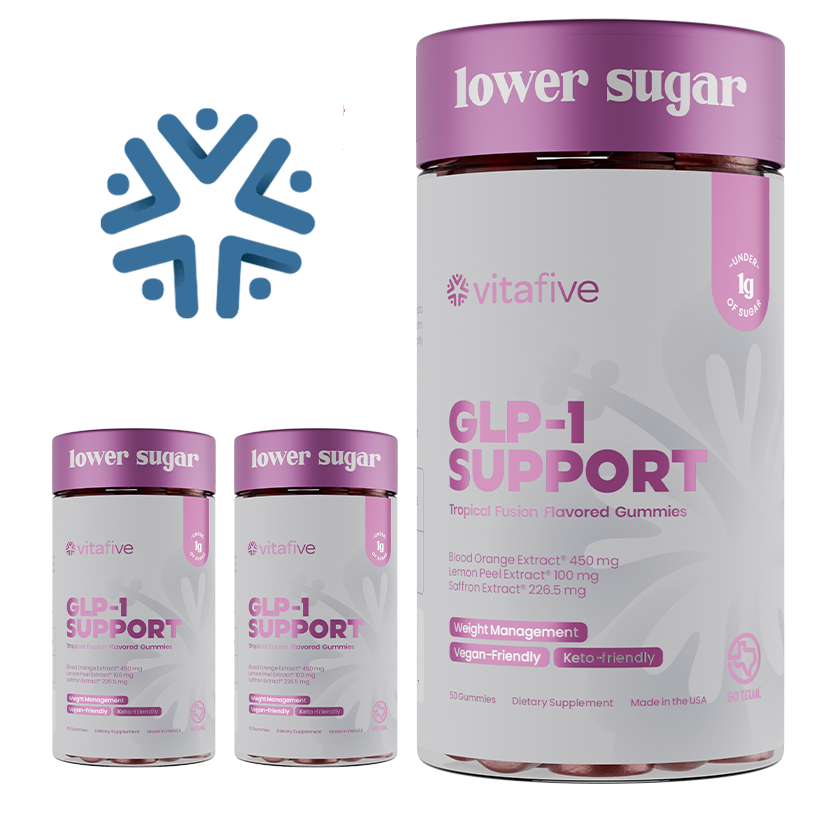
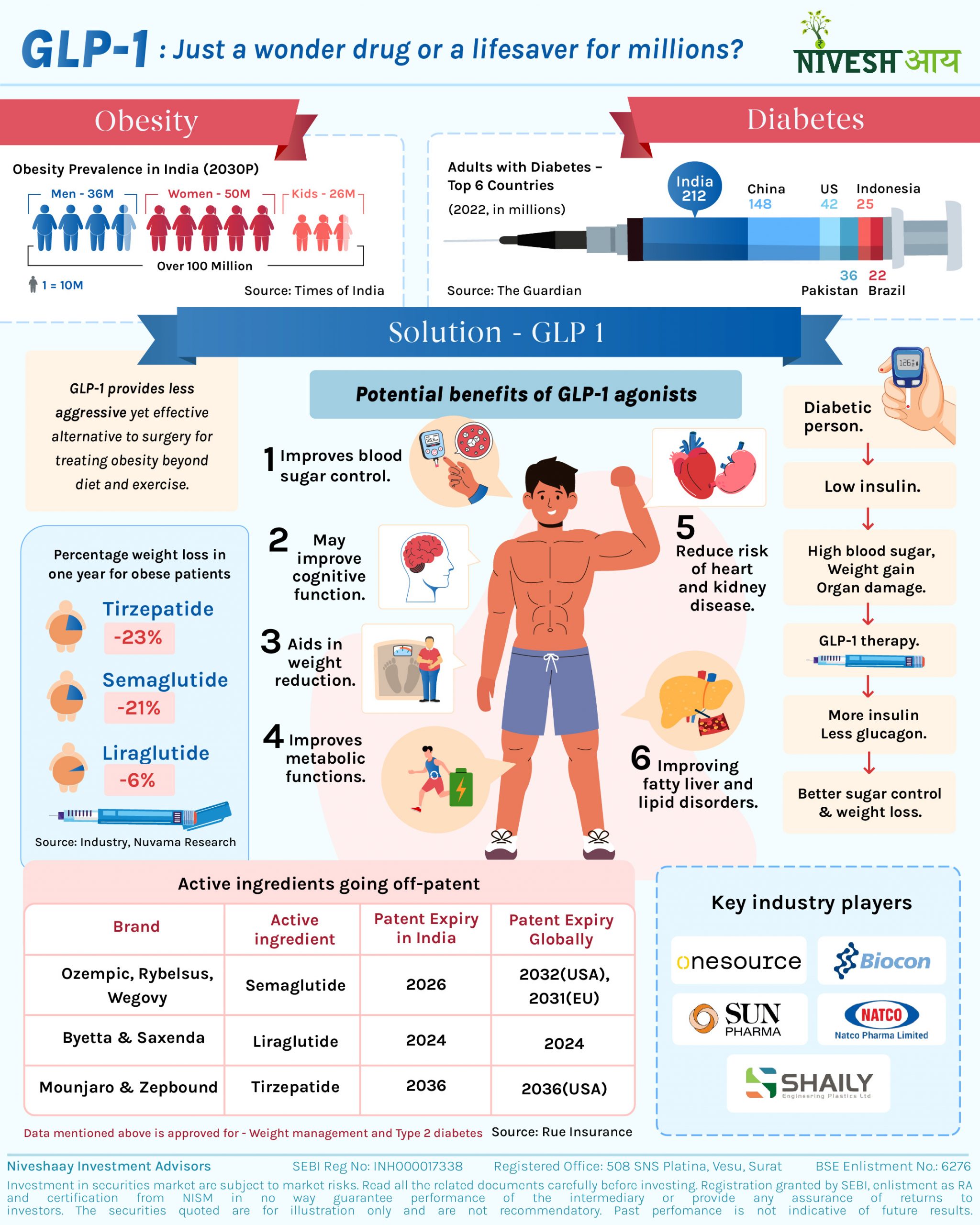
Lipo c naturally supports your bodys fat-burning processes, while Ozempic alters hormonal signals related to appetite and sugar levels
doi:10.1056/NEJMoa1612917 Marso SP, Daniels GH, Brown-Frandsen K, Kristensen P, Mann JF, Nauck MA, et al
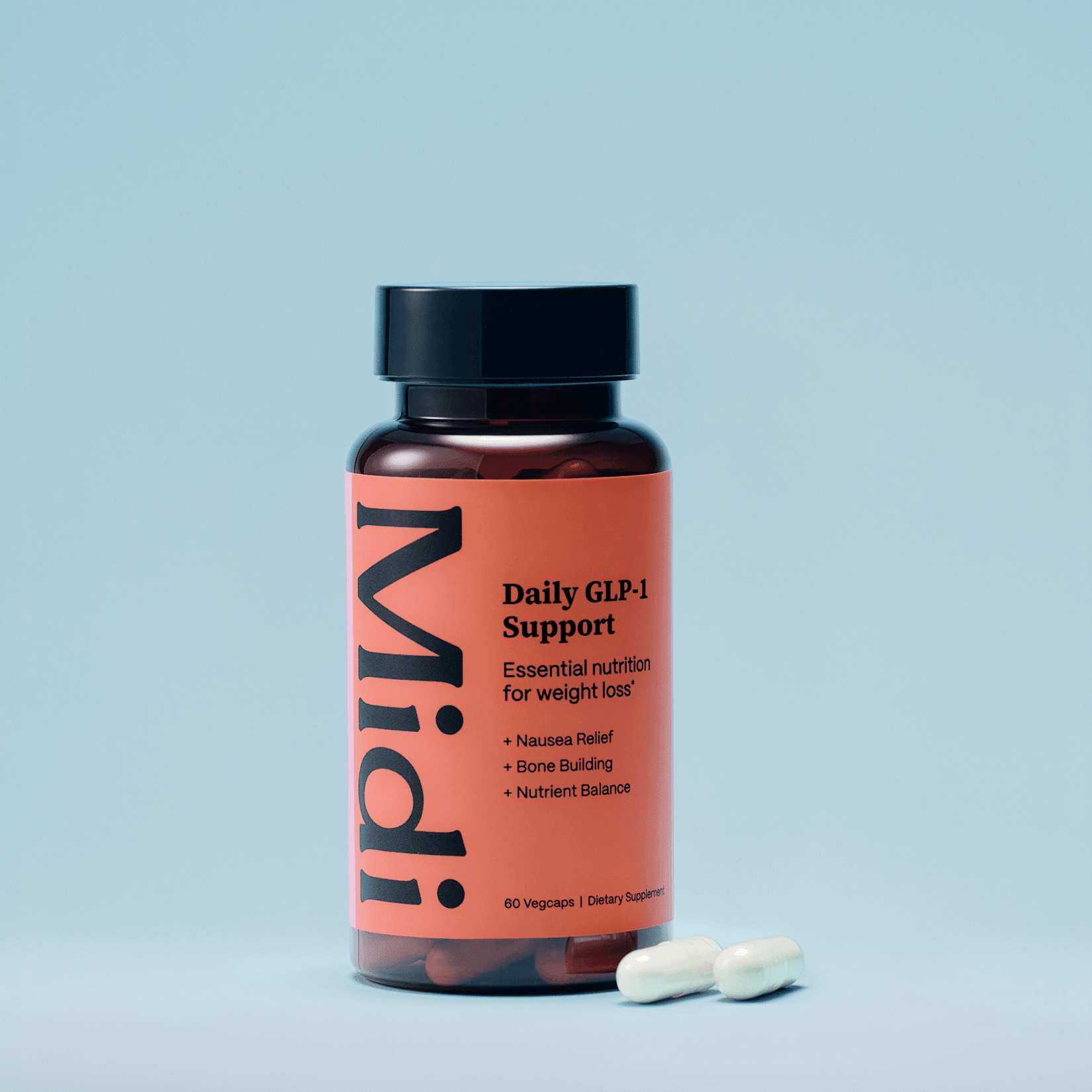
(PubMed) That doesnt automatically translate to healthier, and it certainly doesnt translate to safe to combine with other secretagogues indefinitely. A clinician-friendly framework to evaluate any peptide stack you see online If you want the full decision logic, use Metos pillar: Heres the condensed version Id use in a consult: Step 1: Define the outcome in one sentence Not fat loss. Instead: Reduce visceral adiposity and improve triglycerides in 12 weeks, or Improve return-to-running tolerance after a tendon injury. Step 2: Grade evidence, not enthusiasm Use three buckets: A: Human outcomes evidence (best) B: Human biomarker evidence (useful but indirect) C: Preclinical/mechanistic only (hypothesis) Example: Semaglutide for weight loss: A CJC-1295 for raising IGF-1: B BPC-157/TB-500 for tendon healing: often C low B , depending on claim Step 3: Avoid redundancy If two compounds push the same pathway, youre more likely to get side effects than synergy
C: JNK protein levels in control and in HPV-16 E7- and in HPV-16 E7 Mut-expressing HaCaT cells that were untreated or cells that were sampled after induction of oxidative stress by exposure to UV (UVB, 5 mJ/cm2 for 1 min) with a 5 h recovery period, evaluated using an antibody specific for the phosphorylated form of JNK (pJNK) and another antibody that detects total JNK levels (JNK, performed on a separate twin gel)